

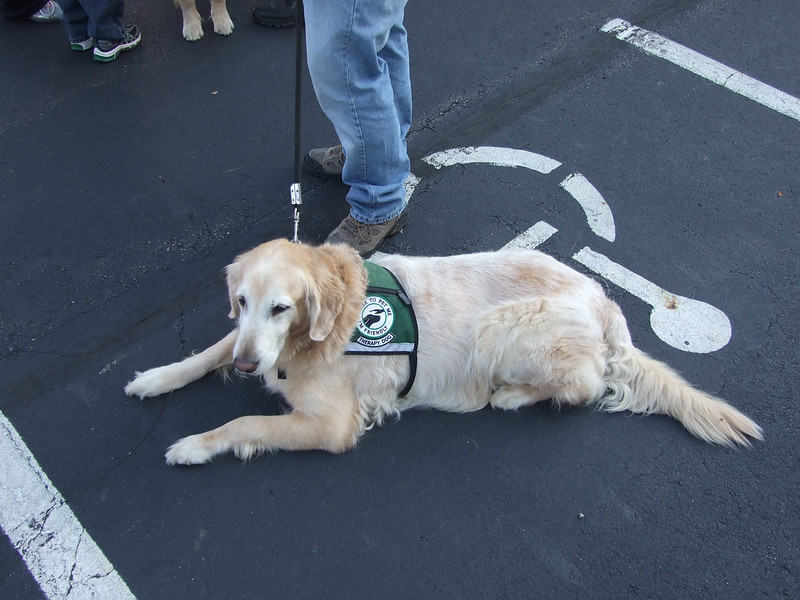
Dogs have long been known as “man’s best friend,” but they have also been used as companion dogs for decades. This is because they provide benefits to individuals with physical, emotional, or mental health issues. Some of the benefits of dogs as companion animals for therapy:
- Reduced stress and anxiety – studies have shown that simply petting a dog can lower stress and anxiety levels. The act of petting a dog releases feel-good hormones, such as oxytocin and serotonin, which can help reduce feelings of anxiety and promote relaxation.
- Improved mood – dogs have a way of bringing joy and happiness into people’s lives. Spending time with a dog can help improve mood and reduce feelings of depression. Dogs are also great at providing unconditional love and support, which can help individuals feel more positive and optimistic about their circumstances.
- Increased physical activity – dogs require daily exercise, which can help individuals with physical health issues get the exercise they need. Walking a dog or playing with them can provide a low-impact workout, which can help improve cardiovascular health, muscle strength, and overall physical fitness.
- Improved socialisation -dogs can help individuals with social anxiety or communication difficulties improve their social skills. Participating in dog-related activities can provide opportunities for social interaction.
- Reduced loneliness and isolation – for individuals who live alone or have limited social support, a dog can provide much-needed companionship and reduce feelings of loneliness and isolation. Dogs are great at providing unconditional love and support, which helps individuals foster connections to others.
- Reduced blood pressure and heart rate – studies have shown that spending time with a dog can help lower blood pressure and heart rate. This is likely due to the calming effect dogs have on their human companions.
Dogs are wonderful companion animals that provide numerous benefits as therapy animals. They can help reduce stress and anxiety, improve mood, increase physical activity, improve socialization, reduce loneliness and isolation, and even lower blood pressure and heart rate. If you’re considering a therapy dog for yourself or a loved one, it’s important to research different breeds and temperaments to find the right fit. It’s also important to work with a qualified therapist or healthcare professional to determine if a therapy dog is the right choice for your specific needs.
